
 619.757.3565
6 Things to Consider When Remodeling Your Kitchen
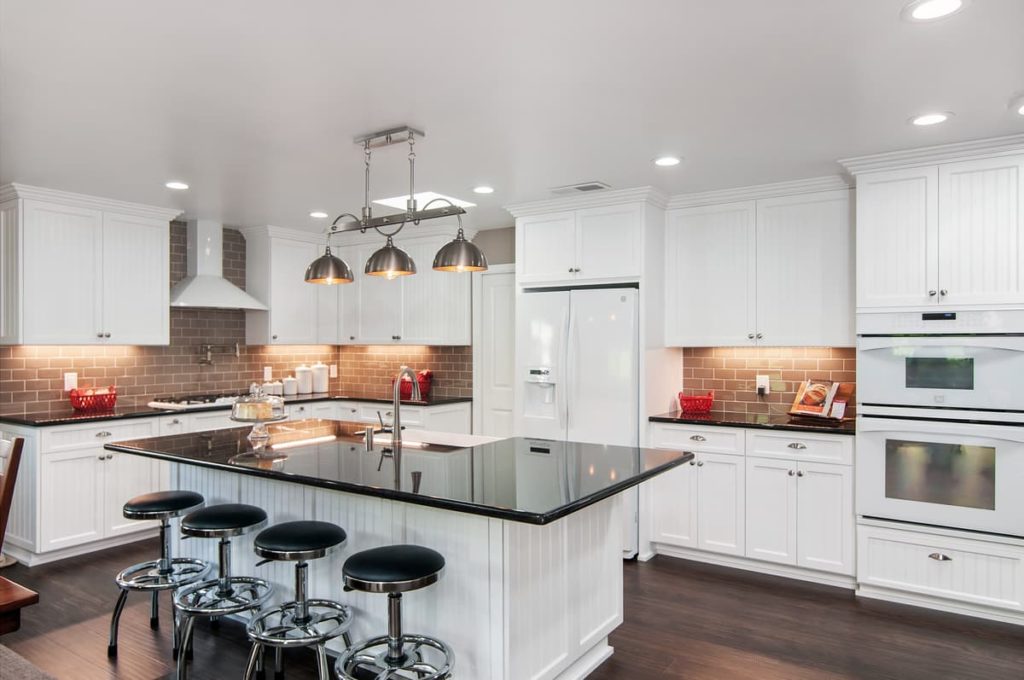
If your kitchen is not quite all that you want, it could be a good idea to consider remodeling. Since your kitchen is somewhere that you spend the majority of your time in, you will want to make sure that it is inviting, warm, practical and most of all, user friendly. If your current kitchen design makes you feel uncomfortable, or if you just want to change it, then now could be the right time to look at ways of remodeling your kitchen. The benefits that can be gained from a well-designed, remodeled kitchen can be well worth the effort. Here are some things to consider when remodeling your kitchen:
1. Kitchen Layouts
It is important to learn about different kitchen layouts before remodeling your kitchen. You should think about what you like about your current kitchen and what you would like to change. If you don’t want to go overboard with the budget, keep your current layout and avoid taking down walls, moving gas lines, plumbing connections, and electrical wiring. If you decide to change your layout, working with a kitchen designer can help you think about the possibilities, and with the use of design software you can see what your new space would look like.
2. Budget
Many homeowners want change, but don’t necessarily know what that change should be. When this feeling is present, many homeowners automatically assume that they should purchase a brand new kitchen, because they are no longer satisfied with the one that they have. Obviously if this is what you want to do, and you have the budget for it, then go right ahead and look into a full scale remodel of your kitchen. However, before you start searching for that perfect new kitchen, one that actually peaks your interest, you may want to think about just doing minor changes to your kitchen. By remodeling your kitchen, you could easily spice up your home or even make it feel like something new.
3. Minor or Huge Repairs
Another reason why it may be a good idea to remodel your kitchen is if your kitchen needs repairs. Although it is possible to fix a broken cupboard or replace a few kitchen floor tiles, you may want to do more than that. Knowing that work is necessary in your kitchen is the perfect time to consider a kitchen remodeling project, you know you have to do some work in your kitchen anyway – so why not do a full kitchen remodel?
4. New Kitchen Appliances
Think about your kitchen appliances, lighting, faucets, sinks, countertops, and cabinets before you remodel. If you think all these need to be changed, you can visit a showroom and choose them considering the features and functions. But, if you have a contractor working for you, you can trust them and leave these changes to them.
5. Focus on the Small Changes
You could decide that you don’t want to remodel your whole kitchen, and would rather just focus on a particular part of it, such as your worktops or floor. Or you could go for redecorating the kitchen and see how that looks. Do bear in mind though, that if your kitchen has missing floor tiles or broken cupboards, it’s probably best to do these repairs, especially if they may be putting you or your family in danger, safety wise.
6. Investing in Your Kitchen Adds Value
If these reasons are not enough, then one of the greatest reasons why you may want to remodel your kitchen is to get more money. When you remodel your kitchen it is very likely that you will also be increasing the value of your home.
The kitchen is one of the most important rooms to get right when you undertake home remodelling. Most buyers will look at the kitchen and the bathrooms of a property before they consider any other room. If these aren’t right, then you can potentially lose a buyer.
So long as your kitchen remodeling project is successful, then the value of your home should increase. This means that if you make the decision to sell your home in the future, you could easily get more money for your home than you paid for it. Any increase would of course depend on how long it has been since your repairs were done, and how they were paid for, but you could easily get a full return (often more) on your investment.
How can we help?
As you can see, there are a number of different reasons why you should want to remodel your kitchen. Hence, you should always keep these factors in mind before starting your kitchen remodeling process.
When it comes to your Kitchen Remodeling needs our team at Mathis Custom Remodeling can definitely help you. We can provide detailed information about kitchen remodeling designs and we can provide free quotes for your projects. We know the importance of a kitchen to a home so we strive in using the highest quality materials when doing a remodel. We also provide high quality work with guaranteed satisfaction. With over 25 years of experience and hundreds of happy customers we know you’ll be happy with our work.
Contact us for more information or give us a call for a FREE quote. We look forward to hearing from you and hope to be a part of your next home improvement project.
All You Need to Know About Accessory Dwelling Units (ADUs)
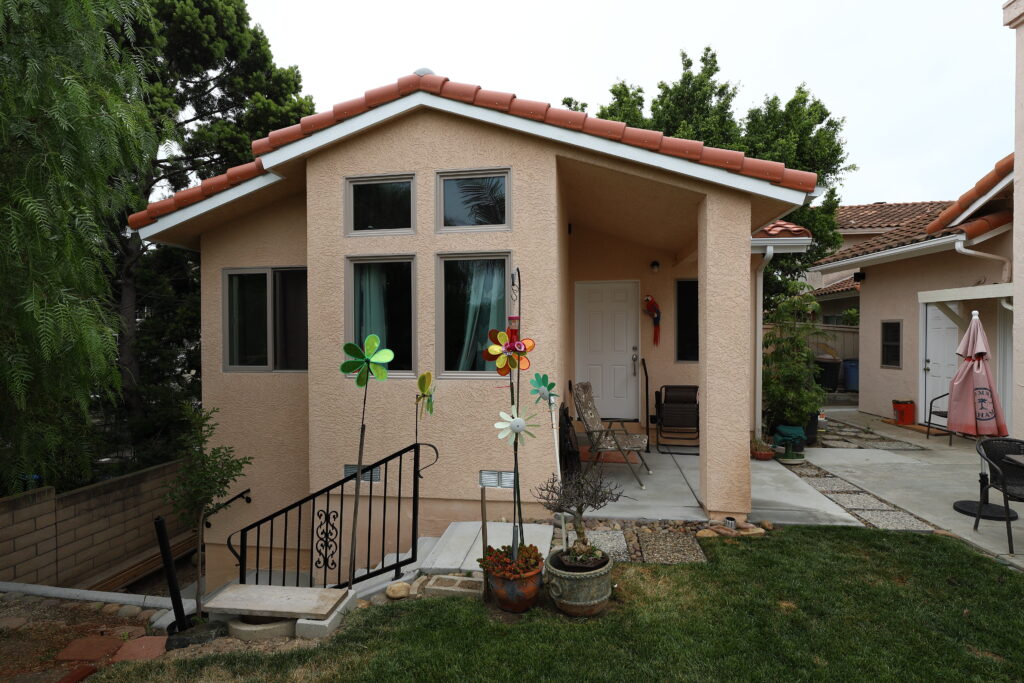
Having extra space on your property, which you can use independently of your home (in countless ways) is definitely a plus. ADUs are exactly that, extra space that is useful for so many things. In this post, we will be highlighting what ADUs are and how you can benefit from having an ADU.
What are ADUs?
Accessory Dwelling Units (or Granny Flats) are a secondary living solution that is based on a single-family residential lot. An Accessory Dwelling Unit is essentially a separate living space that you can build on your property. You can think of it as a secondary, tiny house. But how you use your ADU is entirely up to you. It can be your studio, a home office, a fun place to hang out, an affordable living solution for your friends or family, or even a source to generate extra revenue through rent. With the reformed building codes to help cater to the housing crisis in San Diego, now is the perfect time to invest in ADUs.
Types of ADUs
For a building to be an ADU, it must be a standalone living solution. This means it must include its own kitchen, living area, a private entrance, and bathroom. ADUs can be primarily categorized into three types. These are:
1. Attached: The ADU is attached to the primary house but will be a complete living space on its own.
2. Detached: The ADUs is separate from the main house
3. Repurposed: The ADU is built by repurposing existing space in the home, such as the basement, the attic, or the garage.
There are certain regulations that need to be followed when building your ADU, and these may vary depending on the type of ADU you plan to build, which are discussed below.
Regulations Regarding ADUs
1. The ADU cannot be sold on its own, separate from the primary house, since it cannot be considered a separate property. However, the ADU can be rented to someone else. Both the primary house and ADUs are rentable.
2. If the ADU is attached to the primary house, it cannot exceed 50% of the primary house by size and up to a maximum of 1200 sq. ft.
3. If the ADU is separate from the primary house, the maximum size for it is 1200 sq. ft. irrespective of the size of the primary house.
4. A general rule of thumb is that .5 parking space be provided per bedroom of the ADU.
However, there are some exceptions and other regulations which can be found here.
How Can We Help?
Mathis Custom Remodeling has been providing custom living solutions since 1983. From home interior designing to construction, we do everything professionally and with meticulous care. We believe in providing the best customer service we can.
Having a rich heritage when it comes to home design and construction, we offer services to build custom and beautiful ADUs in San Diego for our customers. With our team of qualified architects, interior designers and builders, we will ensure that you can build an ADU that will satisfy your needs. As part of our initial consulting process, we will provide a general cost analysis, an in-person free consultation, show you examples of our past work, and discuss budgeting. At Mathis Custom Remodeling, we strive to satisfy your needs and we work with a wide range of budgets. From traditional to contemporary, we will fine-tune the final look of your ADU to exactly what you want. We will also help you with the project documentation and permit process.
So what are you waiting for? Contact us to work out how you want to use that extra space on your property and let us get building on your dream project.
How Much Does Home Remodeling Cost In San Diego?
Home remodeling costs in San Diego can range from around $100,000 for a focused renovation to $600,000 or more for a substantial whole home remodel. Projects involving major structural changes, additions, premium finishes, or extensive custom work can move well beyond that range.
Homeowners will also see estimates of roughly $150 to $450 or more per square foot. That number can be useful for early planning, but it does not tell the whole story. A home receiving new flooring, paint, and finishes is very different from one being reconfigured with a new kitchen, multiple bathrooms, relocated plumbing, structural beams, and upgraded electrical systems.
The most accurate remodeling budget starts with the scope of work, not square footage alone.
Average Home Remodeling Costs In San Diego
There is no single average price that fits every San Diego remodeling project. The size of the home matters, but design complexity, structural requirements, existing conditions, material selections, and the number of rooms involved can have an even greater effect on the final investment.
For early budgeting, homeowners may encounter ranges similar to these:
| Project Type | Typical Planning Range |
| Cosmetic Or Limited Remodeling | $20,000 to $75,000+ |
| Kitchen Remodel | $35,000 to $150,000+ |
| Bathroom Remodel | $18,000 to $60,000+ |
| Major Multi Room Remodel | $75,000 to $200,000+ |
| Substantial Whole Home Remodel | $200,000 to $600,000+ |
| Whole Home Remodel With Major Structural Work Or Addition | $400,000 to $1,000,000+ |
These figures are broad San Diego market planning ranges rather than quotes for a specific property. Two homes of the same size can have very different remodeling costs if one keeps the existing layout while the other requires structural, mechanical, plumbing, and electrical changes.
How Much Does A Home Remodel Cost Per Square Foot In San Diego?
Many San Diego remodeling guides estimate costs at approximately $150 to $450 or more per square foot. Highly customized renovations, additions, and luxury projects may exceed those figures.
Cost per square foot becomes more useful when the type of work is clearly defined.
Cosmetic And Surface Updates
Projects focused on paint, flooring, fixtures, countertops, and other visible finishes are generally less expensive per square foot because the existing layout and major systems remain mostly intact.
Material choices can still make a significant difference. Natural stone, premium flooring, custom millwork, and designer fixtures can raise the cost even when structural changes are limited.
Full Interior Remodeling
A more substantial interior renovation may include kitchens, bathrooms, flooring, lighting, cabinetry, plumbing fixtures, electrical work, and layout improvements.
When several rooms are remodeled together, costs also reflect the coordination required between designers, trades, material suppliers, inspectors, and construction crews.
Structural And Custom Remodeling
Removing walls, changing door or window openings, relocating plumbing, replacing major electrical components, or redesigning the floor plan adds another level of complexity.
A load bearing wall, for example, may require structural engineering and new beams rather than simple demolition. That work can affect ceilings, flooring, electrical wiring, framing, and adjacent rooms.
How Much Does A Kitchen Remodel Cost In San Diego?
A San Diego kitchen remodel may cost approximately $35,000 to $150,000 or more depending on its size, layout, materials, appliances, and level of customization.
Cabinetry is often one of the largest expenses. Countertops, appliances, plumbing fixtures, flooring, tile, lighting, hardware, and finish carpentry also contribute to the budget.
Changing the kitchen layout typically costs more than replacing materials within the existing footprint because sinks, appliances, electrical connections, and walls may need to move.
Mathis has completed custom kitchen remodeling projects with very different layouts, styles, and architectural conditions, which illustrates why kitchen pricing depends on much more than room size.
Good planning also helps reduce costly decisions during construction. A kitchen should be designed around storage, traffic flow, appliance placement, lighting, and everyday use before finishes are finalized. Considering these kitchen remodeling priorities early can help homeowners avoid making major layout or functional changes after construction has begun.
How Much Does A Bathroom Remodel Cost In San Diego?
Bathroom remodeling in San Diego commonly falls between approximately $18,000 and $60,000 or more. The final cost depends on the bathroom’s size, plumbing layout, tile work, fixtures, cabinetry, and overall design.
A guest bathroom that keeps the existing layout may require a much smaller investment than a primary suite with a custom shower, detailed tile installation, new lighting, upgraded ventilation, and relocated plumbing.
Bathrooms also contain several systems that must work together correctly. Waterproofing, plumbing, ventilation, electrical work, and tile installation may not be the most visible parts of the finished room, but they play a major role in long term performance.
How Much Does A Whole Home Remodel Cost In San Diego?
Substantial whole home remodeling projects in San Diego commonly require budgets of approximately $200,000 to $600,000 or more. Large custom renovations involving structural changes, premium materials, or additions can go significantly higher.
A whole home project may include a new kitchen, several bathrooms, flooring, lighting, cabinetry, doors, plumbing, electrical updates, HVAC changes, and a redesigned floor plan.
The difference between one project and another often comes down to how much of the original house is being retained.
A successful whole home renovation coordinates the kitchen, bathrooms, flooring, lighting, layout, and architectural details as part of one design so the completed home feels intentional rather than remodeled room by room.
How Much Does A Home Addition Cost In San Diego?
Adding new square footage usually costs more per square foot than updating existing interior space. San Diego home addition estimates can commonly reach approximately $450 to $650 per square foot depending on the size and complexity of the project.
An addition can require foundation work, framing, roofing, insulation, windows, exterior finishes, electrical systems, plumbing, HVAC, and complete interior finishes. It also has to connect properly to the existing structure.
Well planned home additions account for rooflines, foundations, utilities, interior circulation, and architectural details so the new space feels like a natural extension of the original home.
What Has The Biggest Impact On Remodeling Costs?
Square footage influences cost, but it is only one part of the equation. Several factors can change a remodeling budget significantly.
Project Scope
Replacing finishes costs less than rebuilding walls, modifying structural elements, or replacing major building systems.
The more parts of the home that are changed, the more design, labor, materials, and coordination the project generally requires.
Structural Changes
Removing walls or changing the home’s footprint can require engineering, framing, beams, foundations, or modifications to the roof.
Structural work may also affect flooring, ceilings, plumbing, electrical wiring, and HVAC systems.
Plumbing And Electrical Work
Keeping sinks, toilets, showers, and appliances near their existing locations can reduce complexity.
Moving those elements requires additional plumbing or electrical work. Older homes may also reveal systems that need upgrading once walls are opened.
Material And Finish Selections
Cabinetry, countertops, flooring, tile, appliances, plumbing fixtures, lighting, hardware, and millwork are available at a wide range of price points.
Early interior design planning helps establish layouts, materials, lighting, finishes, and other selections before construction, giving homeowners a clearer view of both the finished space and the budget.
Existing Conditions
Remodeling means working with a structure that already exists, and not every condition is visible before demolition.
Older wiring, plumbing deterioration, water damage, framing problems, previous modifications, or unpermitted work can add costs once construction exposes those conditions.
What Costs Can Be Missing From A Remodeling Estimate?
Two contractors may quote very different prices because their proposals do not include the same scope.
Before comparing estimates, homeowners should understand whether the proposal accounts for items such as:
- Architectural drawings and structural engineering
- Interior design services
- Building permit fees
- Demolition and debris removal
- Cabinetry and finish materials
- Appliances and plumbing fixtures
- Construction labor
- Project management
- Site protection and cleanup
There may also be expenses outside the contractor’s construction price, including temporary housing, storage, furniture, window treatments, or homeowner requested upgrades.
A lower estimate is not necessarily a lower cost project if major components have simply been excluded.
How Much Should You Set Aside For Unexpected Costs?
Many homeowners plan a remodeling contingency of approximately 10 to 20 percent, especially when significant demolition or work on an older home is involved.
The appropriate amount depends on how much is known about the property before construction starts. Homes with older electrical systems, previous remodels, water intrusion, structural changes, or limited documentation may warrant a larger reserve.
Thorough planning can reduce uncertainty, but no remodeling contractor can see every condition hidden behind walls or beneath floors before demolition.
Do Remodeling Projects In San Diego Require Permits?
Many remodeling projects in San Diego require permits, although the type of permit and review process depends on the work.
Some limited kitchen and bathroom renovations may qualify for simpler permitting when structural changes and other significant modifications are not involved. Additions, structural alterations, changes to framing, and more extensive remodeling generally require construction plans and formal review.
California energy efficiency requirements may also apply to additions and alterations. These requirements should be considered during design because they can affect windows, insulation, mechanical systems, lighting, and other project components.
Permitting is therefore part of the planning process rather than an administrative task to address after design is finished.
How To Build A More Realistic Remodeling Budget
The most reliable remodeling budget begins with a clear scope.
Decide which improvements are essential and which are optional. Establish the layout before choosing individual products, then make material selections early enough that their actual costs can be incorporated into the project.
Homeowners should also understand what is included in the construction proposal. Design, engineering, permitting, materials, demolition, labor, project management, and cleanup should be discussed before comparing one contractor’s price with another.
Mathis’s design build process develops the preliminary budget alongside design, material selections, engineering, and project scope, allowing the construction price to reflect a more fully defined project rather than an early estimate based only on square footage.
How Mathis Custom Remodeling Approaches Project Pricing
Mathis Custom Remodeling has served San Diego County homeowners since 1983, combining interior design, construction planning, architectural and engineering coordination, permitting, and remodeling within one coordinated process.
Pricing begins by understanding what the homeowner wants to accomplish. General project price ranges help establish initial expectations, followed by an in home consultation and preliminary budget discussion.
The design process then develops the layout, materials, finishes, and detailed scope needed to establish a more accurate project cost. That approach is especially valuable on larger renovations because a structural change, cabinet specification, layout decision, or finish selection can materially affect the investment.
The goal is to define the project carefully enough that homeowners understand what they are building, what is included, and how design decisions relate to the budget before construction begins.
Frequently Asked Questions About San Diego Remodeling Costs
How Much Does It Cost To Remodel A House In San Diego?
A home remodel in San Diego can range from under $100,000 for focused improvements to $600,000 or more for a substantial whole home renovation. Structural changes, additions, custom materials, and major systems work can increase the total further.
How Much Does A Whole Home Remodel Cost In San Diego?
A substantial whole home remodel may cost approximately $200,000 to $600,000 or more. Extensive structural work, additions, luxury materials, or significant electrical and plumbing upgrades can push the project above that range.
Is $100,000 Enough To Remodel A House In San Diego?
A $100,000 budget can support a focused renovation or several carefully selected improvements. It is generally not enough for a comprehensive custom whole home remodel involving a new kitchen, multiple bathrooms, structural work, and major system upgrades.
How Much Does Remodeling Cost Per Square Foot In San Diego?
Broad planning estimates commonly range from approximately $150 to $450 or more per square foot. The actual amount depends on whether the work involves cosmetic updates, complete room renovations, structural remodeling, or new construction.
What Is The Most Expensive Part Of A Home Remodel?
Kitchens, bathrooms, cabinetry, structural modifications, and major plumbing or electrical work are often among the largest expenses. The most expensive component depends on the home’s condition and the scope of the project.
Do I Need A Permit For A Home Remodel In San Diego?
Many remodeling projects require permits. Smaller projects may qualify for simplified permitting, while structural work, additions, framing changes, and larger renovations generally require more detailed plans and review.
How Much Should I Budget For Unexpected Remodeling Costs?
A contingency of around 10 to 20 percent is common for remodeling. Older homes and projects involving demolition, structural changes, or uncertain existing conditions may justify budgeting closer to the higher end.
Is It Cheaper To Remodel Or Move In San Diego?
The answer depends on the value of your current home, the neighborhood, the renovation scope, financing costs, and the price of purchasing another suitable property. Remodeling can be a practical option when the location works well but the house no longer fits your needs.